Vector Art of Cute Blue Bird: A Practical Guide to Usage, Formats, and Design Decisions
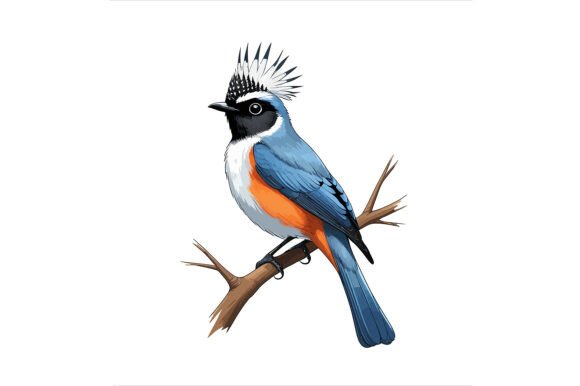
In the landscape of digital design assets, the choice between raster images and scalable vector graphics often dictates the longevity and versatility of a project. The Vector Art of Cute Blue Bird represents a specific niche within this ecosystem, offering a charming, stylized illustration that balances aesthetic appeal with technical utility. For designers, crafters, and content creators aged 20 to 50, understanding the nuances of this asset is crucial for making informed decisions about its application in print-on-demand products, branding, or personal projects. This resource is not merely a static image; it is a flexible tool designed to adapt to various creative requirements while maintaining structural integrity.
Understanding the Technical Distinction: Vector vs. Raster
The primary advantage of the Vector Art of Cute Blue Bird lies in its format. Unlike standard JPEGs or PNGs, which are composed of pixels, this illustration is built on mathematical paths defined by points, lines, and curves. This fundamental difference allows the artwork to be resized infinitely without the degradation of quality that plagues raster images. When a pixel-based image is enlarged, it becomes blurry or blocky; conversely, a vector file remains crisp regardless of scale.
This scalability is particularly relevant for professionals working across multiple mediums. If you are designing a small social media icon and later decide to use the same bird motif for a large outdoor banner, a vector file ensures consistency. The included EPS file serves as the master source, fully editable in professional vector software. This means you can adjust the stroke weight, modify the color palette to match your brand guidelines, or even alter specific details like the shape of the wings or the expression of the eyes. The accompanying high-resolution JPEG offers a convenient preview or a quick solution for projects where editing is not required, but the true value resides in the editable vector component.
Evaluating Use Cases: Where This Asset Excels
The versatility of the Vector Art of Cute Blue Bird makes it suitable for a wide array of applications, yet it shines brightest in scenarios requiring precision and customization. One of the most common uses is in print-on-demand services. Whether creating designs for t-shirts, mugs, or tote bags, the ability to scale the artwork to fit different product dimensions without losing clarity is essential. A low-resolution raster image might look acceptable on a thumbnail but would fail miserably when printed on a full-sized garment. The vector format eliminates this risk.
Beyond merchandise, this illustration fits well into educational materials and children's book illustrations. The "cute" aesthetic appeals to younger audiences, while the clean lines make it easy to integrate into worksheets, flashcards, or classroom decorations. For scrapbookers and DIY enthusiasts, the file offers a bridge between digital planning and physical crafting. You can print the design at any size needed for stickers, greeting cards, or invitations, ensuring that the final cut-out looks professional rather than amateurish.
Furthermore, the asset serves as an excellent starting point for branding elements. While a standalone bird may not constitute a full corporate logo, it can function as a mascot, a favicon, or a recurring motif within a larger visual identity system. The ability to recolor the bird allows it to align seamlessly with existing brand colors, a flexibility that pre-colored stock photos cannot offer.
Comparing Alternatives and Understanding Trade-offs
When considering the Vector Art of Cute Blue Bird, it is helpful to compare it against other available options, such as stock photography, clip art, or AI-generated raster images. Stock photography of real birds offers realism but lacks the stylistic uniformity required for many graphic design projects. It also comes with licensing restrictions that may limit commercial use or require attribution. In contrast, this vector illustration provides a stylized, consistent look that integrates easily with other graphic elements.
Another alternative is using AI image generators directly to create a bird illustration. While AI tools have advanced rapidly, they typically output raster images (like PNGs) that are difficult to edit structurally. To change the color of a wing or smooth out a jagged line in an AI-generated raster image requires complex photo manipulation. With the Vector Art of Cute Blue Bird, these adjustments are straightforward because the file layers and paths are accessible. However, there is a trade-off: vector files generally require specific software (such as Adobe Illustrator, CorelDRAW, or free alternatives like Inkscape) to edit effectively. If a user lacks access to these tools, the editable nature of the EPS file becomes less useful, making the included JPEG their only viable option.
Additionally, one must consider the style. The "cute" aesthetic is specific. If a project demands a hyper-realistic or abstract interpretation of a bird, this particular illustration may not be the right fit. It is best suited for designs that prioritize friendliness, approachability, and clarity. For corporate reports requiring a serious tone, a more subdued or realistic bird might be preferable. Therefore, the decision to use this asset should hinge on whether the visual tone aligns with the project's overall communication goals.
Decision Factors: Is This the Right Resource for You?
Determining whether the Vector Art of Cute Blue Bird is the correct choice involves evaluating your technical capabilities and project scope. If you are a designer who frequently needs to tweak assets, the fully editable EPS file is a significant asset. It empowers you to iterate quickly without needing to commission new artwork from scratch. This is particularly valuable for agencies or freelancers managing multiple client brands, where color variations and minor layout adjustments are routine.
However, if your workflow is strictly limited to web design where images are displayed at fixed, small resolutions, a high-quality raster file might suffice. In such cases, the learning curve associated with vector software may outweigh the benefits of scalability. Similarly, if you require a bird illustration for a single, one-time use where no customization is needed, purchasing a cheaper, non-editable stock image could be a more cost-effective solution.
It is also important to note the origin of the design. This illustration was created using AI-generated concepts that were subsequently vectorized, resized, and manually edited. This hybrid approach combines the speed of AI ideation with the precision of human craftsmanship. The result is a file that avoids some of the common pitfalls of raw AI generation, such as inconsistent anatomy or messy lines, while retaining the unique charm of algorithmic creativity. For users concerned about the ethical implications or quality control of purely AI-generated assets, this manual refinement process adds a layer of reliability and professionalism.
Practical Implementation and Workflow Integration
To maximize the utility of the Vector Art of Cute Blue Bird, integrating it into your workflow efficiently is key. Start by importing the EPS file into your preferred vector editor. Before scaling, inspect the layers to understand how the illustration is constructed. You will likely find separate groups for the body, wings, tail, and facial features. This organization allows for targeted edits; for instance, changing the background color without affecting the bird itself.
For print production, ensure that the document settings in your software match the intended output. Use CMYK color mode for print materials to avoid color shifts during printing, whereas RGB is appropriate for digital screens. The high-resolution JPEG included in the package can serve as a proofing tool, allowing you to visualize the design in context before committing to the final vector export. This dual-format delivery caters to both immediate needs and long-term flexibility.
Ultimately, the value of this asset lies in its balance of accessibility and professional capability. It bridges the gap between simple clip art and custom-commissioned illustration, offering a middle ground that is both time-efficient and high-quality. By understanding its strengths, limitations, and ideal use cases, you can determine if it fits your specific design narrative. Whether for a small business looking to add a friendly touch to its packaging or an educator creating engaging materials, the Vector Art of Cute Blue Bird provides a robust foundation for creative expression.