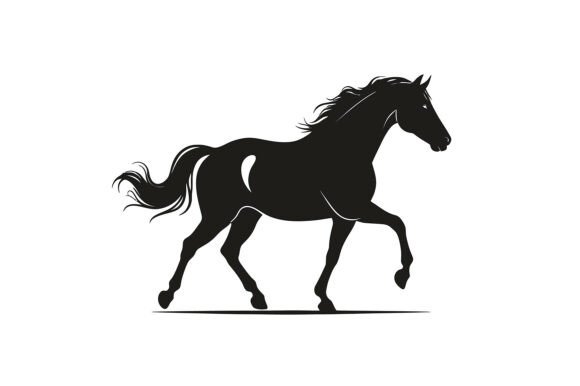
A Running Horse, Vector Illustration: A Guide to Smart Design Choices
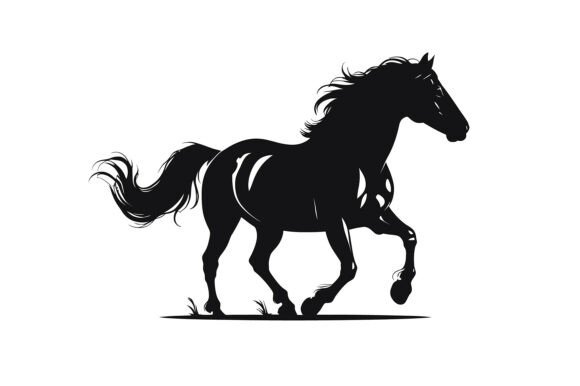
There is a timeless energy in the image of a galloping horse that resonates across cultures and industries. When you are looking for A Running Horse, Vector Illustration, you are not just searching for an animal; you are seeking a symbol of freedom, speed, and power. However, finding the right digital asset is only half the battle. The real challenge lies in understanding what makes a vector file truly valuable and how to avoid the common pitfalls that can ruin your design project before it even begins.
Many creators rush into downloading graphics without considering the technical specifications or the long-term usability of the file. This often leads to pixelated logos on large banners, color mismatches in print runs, or designs that cannot be customized when a client requests a change. By taking a moment to evaluate the quality and format of your assets, you ensure that your creative vision remains sharp, professional, and scalable.
Understanding the Value of True Vector Files
At its core, A Running Horse, Vector Illustration offers something raster images simply cannot: infinite scalability. Unlike JPEGs or PNGs, which are made of fixed pixels, vector graphics are built on mathematical paths. This means you can resize the illustration from a tiny favicon to a massive billboard without losing a single ounce of clarity. For professionals working in branding or print-on-demand, this flexibility is non-negotiable.
The specific file you are considering comes as an EPS (Encapsulated PostScript) file, which is the industry standard for high-end vector work. This format ensures that every curve of the horse's muscles and the flow of its mane remains crisp regardless of the output size. Additionally, the inclusion of a high-resolution JPEG provides a convenient preview or a quick option for web use where vectors might be overkill. Understanding this dual-format delivery is crucial for managing your workflow efficiently.
Common Mistakes When Selecting Digital Assets
One of the most frequent errors designers make is assuming all "vector" files are created equal. You might download a file labeled as a vector, only to find it is actually a flattened image traced poorly or converted from a low-quality source. This results in jagged edges and broken paths that frustrate anyone trying to edit the file later. Always verify that the file is fully editable in software like Adobe Illustrator or CorelDRAW.
Another overlooked detail is the complexity of the file. Some illustrations contain thousands of unnecessary anchor points, making them sluggish to load and difficult to manipulate. A well-optimized A Running Horse, Vector Illustration strikes a balance between detail and performance. If the file feels heavy or lags your software, it may indicate poor construction. This can significantly slow down your production time, especially if you are working on tight deadlines for multiple clients.
Color management is also a frequent point of failure. Many beginners forget to check if the colors are set to CMYK for print or RGB for digital screens. Using an RGB-only file for a t-shirt or poster can result in dull, muddy colors once printed. Since this specific illustration allows you to change colors easily, take advantage of that feature to adjust the palette to match your brand guidelines before sending it to the printer.
The Risk of Ignoring Licensing and Originality
In the age of AI-generated art, the line between original creation and automated output can blur. While AI tools are powerful, relying solely on raw AI outputs for commercial projects can lead to legal ambiguities and inconsistent quality. It is vital to choose assets that have been refined by a human designer. The illustration described here was created using AI concepts but then fully vectorized, resized, and carefully edited by a professional. This hybrid approach ensures the final product meets high standards of quality and originality while avoiding the structural flaws often found in unedited AI generations.
Failing to verify the origin and editing history of a graphic can expose you to copyright issues or result in a design that looks generic. Clients and customers appreciate the nuance of hand-touched details. A design that has been meticulously checked for alignment, smooth curves, and logical layer organization will always outperform a rushed, automated download.
Practical Applications and Better Approaches
When you integrate A Running Horse, Vector Illustration into your projects, the possibilities are vast, but the execution must be precise. For print-on-demand products like t-shirts and stickers, the vector format ensures that the ink lays down cleanly on the fabric or vinyl. A common mistake here is stretching the image to fit a template without maintaining aspect ratio, which distorts the horse's anatomy. Instead, use the scaling tools in your vector software to resize proportionally, preserving the dynamic motion of the run.
For educational materials and scrapbooking, the ability to customize colors is a game-changer. Imagine needing a version of the horse in pastel tones for a children's book or bold black and white for a vintage-style invitation. With a fully editable EPS file, you can swap the fill colors instantly without redrawing the entire image. This saves hours of work and keeps your project costs low.
Consider the context of your audience. If you are designing a logo for a sports team or a racing club, the horse needs to look strong and fast. If it is for a wellness brand, you might soften the lines and adjust the posture slightly. The flexibility of this vector illustration allows for these subtle adjustments, ensuring the final design communicates the right message.
What to Check Before You Download
Before committing to any purchase or download, perform a quick audit of the file description and previews. Look for keywords like "fully editable," "EPS format," and "high-resolution." Ensure the seller explicitly states that the file includes both the vector source and a ready-to-use preview. This combination gives you the best of both worlds: immediate utility and long-term flexibility.
Also, check the intended use cases listed by the creator. Does it mention print-on-demand, apparel, or web graphics? These indicators suggest the file has been tested across different mediums. Finally, trust your instincts regarding the visual quality. Zoom in on the preview images. Are the lines smooth? Is the silhouette clear? A high-quality vector should look perfect at 100% zoom and beyond.
By approaching your search for A Running Horse, Vector Illustration with a critical eye and a focus on technical quality, you protect your reputation and streamline your creative process. Avoid the trap of cheap, low-quality assets that require endless fixing. Instead, invest in a well-crafted, professionally edited file that serves as a reliable foundation for your next great design. Whether you are a freelancer building a portfolio or a small business owner launching a new product line, the right vector asset makes all the difference between a good design and a memorable one.