Reviving History: The Versatility of Digital Paper Old Newspapers in Modern Design
In the rapidly evolving landscape of digital creativity, there is a persistent and powerful pull toward the tangible textures of the past. This nostalgia drives a significant segment of the design community to seek out assets that bridge the gap between modern efficiency and vintage aesthetics. At the forefront of this trend are Digital Paper Old Newspapers, high-resolution assets that capture the essence of historical print media. These files are not merely images; they are foundational elements for a wide array of creative endeavors, from intricate scrapbooking layouts to sophisticated web design patterns. By understanding the technical specifications and diverse applications of these resources, creators can unlock new dimensions of storytelling in their work.
The Technical Foundation of Authenticity
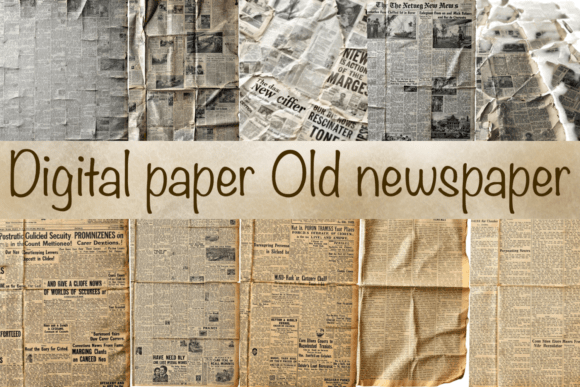
For any digital asset to serve effectively in both screen-based and physical print environments, it must meet rigorous technical standards. The collection known as Digital paper Old Newspapers 10 elements is engineered with precision to ensure versatility. Each file is provided in PNG format, a choice that supports transparency and allows designers to layer these textures seamlessly over other graphics without the constraints of a white background. This flexibility is crucial for complex compositions where the newspaper texture needs to interact dynamically with photos, logos, or typography.
Perhaps the most critical specification for professional-grade output is the resolution. These assets are rendered at 300 dpi, the industry standard for high-quality printing. This density ensures that when the digital file is translated into a physical object, the fine details of the text, the grain of the paper, and the subtle ink bleed characteristic of old newspapers remain crisp and legible. Whether the end product is a small announcement card or a large-scale fabric print, the 300 dpi resolution guarantees that the image will not appear pixelated or blurry. Furthermore, the dimensions are standardized at 10 x 10 inches. This square format provides a balanced canvas that works exceptionally well for pattern repeats, allowing designers to tile the image effortlessly across surfaces of varying sizes while maintaining visual consistency.
Transforming Wedding Stationery and Invitations
The wedding industry has seen a resurgence in vintage and rustic themes, making Digital Paper Old Newspapers an invaluable resource for stationery designers. Couples often desire invitations that tell a story before the ceremony even begins. Using these textured backgrounds, designers can create announcements that evoke a sense of timelessness and heritage. The aged look of the newspaper serves as a perfect backdrop for elegant calligraphy or serif fonts, creating a contrast that is both visually striking and emotionally resonant.
Beyond simple backgrounds, these elements can be manipulated to create unique photo overlays. Imagine a wedding invitation where the couple's engagement photo is superimposed onto a page of a fictional historical newspaper, complete with headlines celebrating their union. This technique adds a narrative layer to the invitation, turning a standard piece of paper into a keepsake. For physical prints, the high resolution ensures that the ink adheres beautifully to premium cardstock, while the digital nature of the file allows for easy customization of colors and opacity to match specific wedding palettes. Whether for save-the-dates, menu cards, or place settings, the versatility of these digital papers allows for a cohesive theme throughout the entire event.
Empowering Scrapbookers and Decoupage Artists
Hobbyists and crafters find immense utility in these digital assets, particularly within the realms of scrapbooking and decoupage. Traditional scrapbooking often relies on physical ephemera, which can be fragile, expensive, or difficult to source. Digital paper Old Newspapers offer a sustainable and limitless alternative. Crafters can print these sheets repeatedly on various types of paper—glossy, matte, or textured—to achieve different effects without depleting physical resources.
In decoupage projects, where layers of paper are glued onto objects like furniture, boxes, or jewelry, the ability to control the scale and repetition of the pattern is essential. The 10x10 inch dimension allows artists to cover large surfaces with a consistent look. When applied to wooden surfaces, the vintage newspaper aesthetic can transform a plain box into a treasure chest of memories or turn a mundane drawer front into a focal point of a room. The PNG format facilitates the isolation of specific columns or headlines, enabling artists to cut out individual words or phrases to use as decorative accents. This level of granular control empowers DIY enthusiasts to create personalized gifts and home decor items that reflect their unique style and interests.
Integrating Vintage Textures into Web and Planner Design
While the tactile nature of newspapers suggests physical media, these digital assets have found a robust home in the digital realm, specifically in blog design and planner templates. A planner blog often seeks to convey organization mixed with a touch of personal history. Incorporating Digital paper Old Newspapers 10 elements into website headers, sidebar backgrounds, or printable planner pages can instantly establish a warm, intellectual atmosphere. The texture breaks up the starkness of pure white backgrounds, reducing eye strain and adding depth to the user interface.
For web designers, these elements serve as excellent pattern generators. By tiling the 10x10 inch files, one can create seamless backgrounds that add character to e-commerce sites, portfolios, or landing pages without overwhelming the primary content. The transparency inherent in the PNG format allows for subtle blending modes, ensuring that text remains readable while the underlying texture provides context. In the context of digital planners used on tablets, these backgrounds can simulate the feel of writing on real paper, enhancing the user experience by bridging the gap between analog and digital productivity tools. The semantic value of "newspaper" also aligns well with educational or news-focused blogs, subtly reinforcing the theme of information and history.
Applications in Fabric Printing and Surface Decoration
The potential of Digital Paper Old Newspapers extends far beyond paper products. With the advent of accessible digital textile printing, these high-resolution files are perfect candidates for fabric creation. Designers can upload the 300 dpi files to print-on-demand services to produce custom fabrics for clothing, quilts, or upholstery. The intricate details of the printed text translate surprisingly well onto cotton or linen, creating garments that look like they were woven from history itself.
This application opens up possibilities for fashion designers looking to make a statement about sustainability or nostalgia. A dress or scarf featuring a repeating pattern of old newspaper clippings can spark conversation and intrigue. Similarly, for interior designers, these patterns can be applied to wallpaper, curtains, or throw pillows. The neutral tones typically associated with aged newsprint allow these designs to blend into various color schemes, acting as a sophisticated accent rather than a jarring disruption. The ability to print over "any surfaces and items" means that the only limit is the creator's imagination, whether applying the design to ceramics, glass, or metal through sublimation or transfer techniques.
Strategic Use for Branding and Logos
Business owners and brand managers can also leverage the aesthetic of Digital paper Old Newspapers 10 elements to differentiate their brands. In a market saturated with sleek, minimalist designs, a brand that incorporates vintage textures can stand out as authentic and established. These elements are particularly useful for businesses in the food and beverage sector, artisanal goods, or heritage industries where a connection to tradition is a selling point.
When designing logos or branding materials, the newspaper texture can serve as a subtle underlay or a distinct frame. It communicates reliability and longevity, suggesting that the brand has deep roots. For announcement cards or promotional flyers, using these digital papers can give the material a sense of urgency and importance, mimicking the immediacy of a breaking news report. The versatility of the 10-element set allows for experimentation; a brand might use one element for its primary logo background and another for social media graphics, creating a cohesive yet dynamic visual identity.
Considerations for Implementation and Workflow
While the benefits of using Digital Paper Old Newspapers are extensive, successful implementation requires attention to workflow and licensing. Creators should ensure that the intended use aligns with the license terms of the shop providing the files. Generally, these assets are suitable for personal projects and commercial products, but it is always prudent to verify specific restrictions regarding redistribution of the raw files.
From a technical standpoint, working with high-resolution PNGs requires adequate system memory and processing power, especially when layering multiple elements or manipulating them in graphic design software. Designers should also consider color profiles; since these files mimic aged paper, they may contain sepia or off-white tones that need to be adjusted depending on the final medium. For example, a color that looks correct on a calibrated monitor might shift slightly when printed on fabric versus cardstock. Testing a small proof before committing to a full production run is a best practice that ensures the final result matches the vision.
Ultimately, the integration of these digital assets into modern workflows represents a harmonious blend of technology and tradition. They provide a shortcut to achieving a complex, handcrafted look that would otherwise require hours of distressing physical materials. As the demand for personalized, meaningful design continues to grow, resources like Digital paper Old Newspapers 10 elements will remain essential tools in the kit of professionals, hobbyists, and entrepreneurs alike. Thanks for visiting our shop and exploring the endless possibilities these textures offer for your next creative project.